Trend Report 2026: Clubbing Is Not Dying, It’s Just Refusing to Stay the Same

Every few years, someone declares nightlife In a state of emergency.

Usually because people are drinking less, staying home more, or because a new generation refuses to inherit club culture in exactly the same form as the one before it.
But what is happening now feels less like decline and more like a rewrite of the rules.
The dancefloor is still there. The appetite for release is still there. What has changed is the framework around it: when people go out, why they go out, what they expect from sound, and how much patience they still have for experiences that feel hollow.
If clubbing once sold excess as freedom, 2026 suggests something else: people still want intensity, but they are becoming far more selective about where they spend it.
The New Night Out Might Start With Coffee, Not Vodka

For years, nightlife depended on one predictable formula: late entry, alcohol as social lubricant, and a slow build toward morning.
Now some of the most interesting social energy is appearing long before midnight.
Coffee-led dance events, morning listening sessions, early daytime parties. What would have sounded gimmicky a few years ago is becoming normal in cities where people still want music but no longer want the physical cost attached to traditional nights out.
There is something telling about a full room gathering around a DJ before noon. No darkness to hide in, no intoxication doing the work, no illusion that the night itself creates the atmosphere. If the energy lands, it lands because people actually want to be there.
This is partly why soft clubbing has gained so much traction. Wellness raves, sauna gatherings, cold plunges with soundtracks, all of it reflects the same impulse: keep the collective feeling, remove the rituals that no longer feel essential.
What younger crowds seem less interested in now is the old performance of chaos for its own sake. It means they want something that feels worth recovering from.
The Music, Meanwhile, Is Getting Less Patient

What is striking is that while nightlife formats are becoming softer around the edges, the music itself is doing almost the opposite.
Tempos are climbing again.
Hard techno remains relentless, speed garage has returned with surprising force, and drum & bass continues to benefit from the same appetite for immediacy that shaped earlier underground revivals.
There is less tolerance right now for tracks that hesitate too long before they arrive somewhere.
Fast music makes sense in a moment where people want quick physical impact. Perhaps over the appetite for release, or short-attention spans. An unfamiliarity with how to fill attention when there isn't something extremely peak happening.
And then there is Afro House, which Is impossible to ignore not only because it is everywhere, but because it has become one of the few sounds able to move between luxury terraces, underground rooms, festivals, and algorithm-driven playlists without losing identity.
Its rise says something important about where dance music is now: audiences are increasingly drawn to spaces that carry warmth without losing sophistication. A lot of scenes spent years chasing coldness. Now warmth is winning.
Clubs Are Finally Being Forced to Care About Sound Again

For a long time, many venues relied on reputation, lineups, or aesthetics to compensate for systems that sounded ordinary. That bargain is becoming harder to maintain.
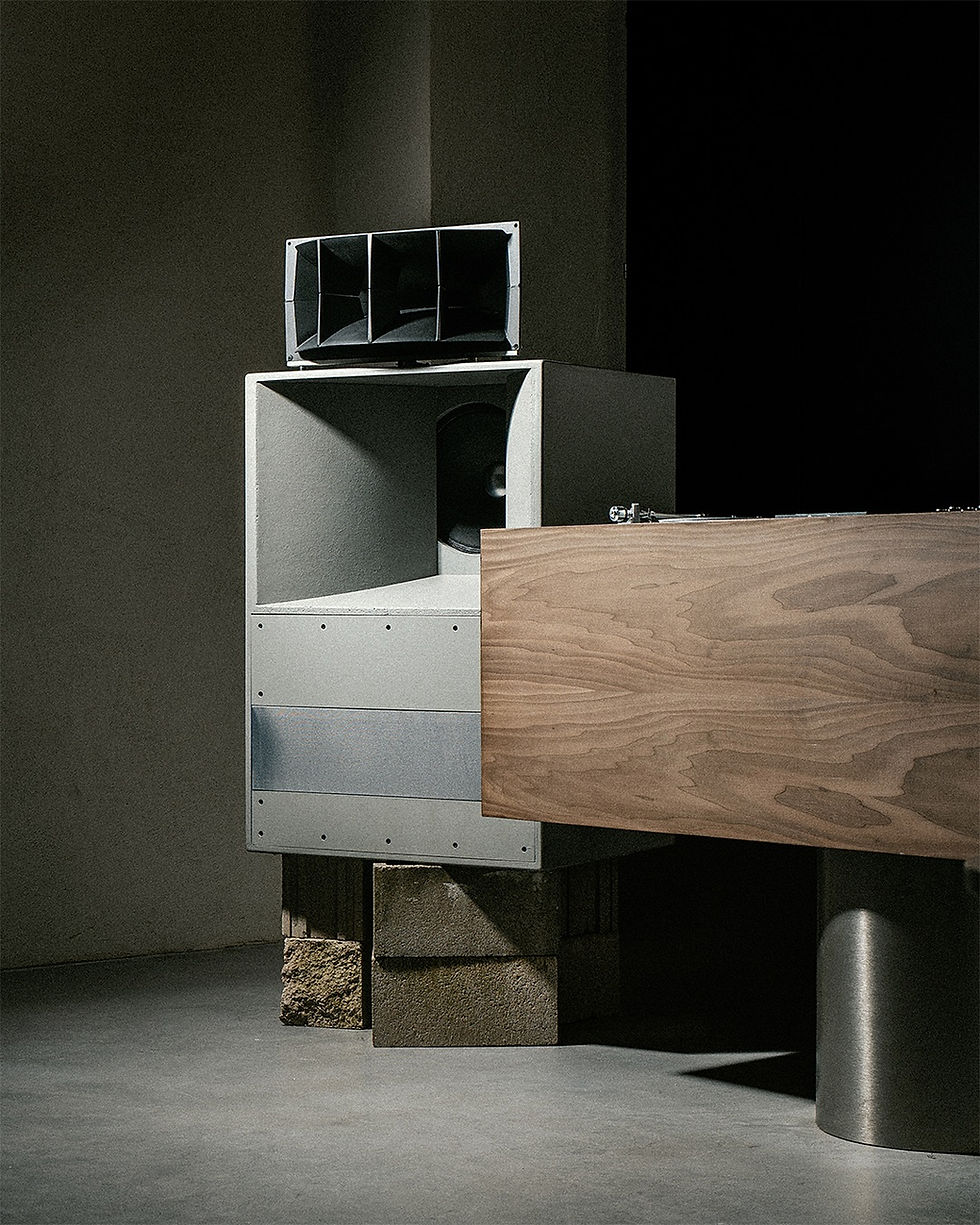
As more audiences experience immersive audio environments, expectations change quickly. Once people hear a room where sound moves with clarity and depth, where every frequency is controlled rather than simply loud, it becomes difficult to return to spaces that flatten everything into volume.
Spatial audio is no longer just industry language. It is becoming part of how people describe memorable nights.
The significance here is cultural as much as technical. Good sound changes behavior. It affects how long people stay, how they move, how much attention they give the music instead of everything around it. And in an era where clubs compete with endless alternatives for attention, sound is becoming one of the few things that still cannot be replicated through a screen.
AI Is Useful, But Nobody Wants It Touching Taste

For all the noise around artificial intelligence in music, producers remain surprisingly clear about where they draw the line. Most are happy to let AI clean a vocal, separate stems, remove technical friction, or organize sessions faster. Few seem interested in handing over the part that actually defines them creatively. That distinction matters.
Because despite all the future-facing language around music technology, what still carries value in club culture is selection, knowing what belongs, what should wait, what should never happen too early. No software has solved taste.
The same applies in DJ culture, where hybrid systems and smarter standalone setups are being embraced because they free up attention rather than replace judgement.
Technology survives in nightlife when it becomes invisible enough to support instinct.
The moment it starts competing with instinct, resistance appears immediately.
People Are Tired of Being Asked to Perform Enjoyment

Perhaps the deepest shift underneath all of this is harder to quantify. Crowds increasingly seem less interested in spaces designed only to look good online.
The fatigue around over-curated events, obvious social signaling, and rooms that feel built for cameras rather than chemistry has become difficult to ignore. That helps explain why smaller clubs, intimate festivals, and places with strong internal identity continue to matter even when they do not dominate visually.
People still want atmosphere, but they want atmosphere that feels earned. For years, nightlife often rewarded visibility above substance. Now there is growing appetite for spaces where something less obvious is happening, where the room itself carries enough trust that nobody needs to prove they are there.
Maybe This Is What Maturity Looks Like

It would be easy to frame all this as nightlife becoming healthier, more efficient, more thoughtful.
But maybe it is simply becoming older in the best sense: less interested in clichés, more aware of what actually creates lasting energy.
The irony is that for all the discussion around AI, immersive technology, and future-facing sound, what people appear to want most is something very old: a room that feels believable.
A room where music matters.
A room where nobody is there accidentally.
And perhaps that is why clubbing in 2026 does not feel diminished.
It just feels less willing to pretend.