


Milan’s Listening Bar Renaissance

How Spaces With Good Sound Are Reframing Nightlife
In Part 1, we examined how nightlife gradually optimized for visibility, lineups became more important than rooms, and volume replaced a well tuned room. The dancefloor became content, and bigger became synonymous with better. The good news: cultural rarely moves in only one direction. The pendullum will always swing,
While spectacle buzzes higher, something beneath forms... and I witnessed this cultural shift in Milan, where that correction is already taking shape.
What Is a Listening Bar?

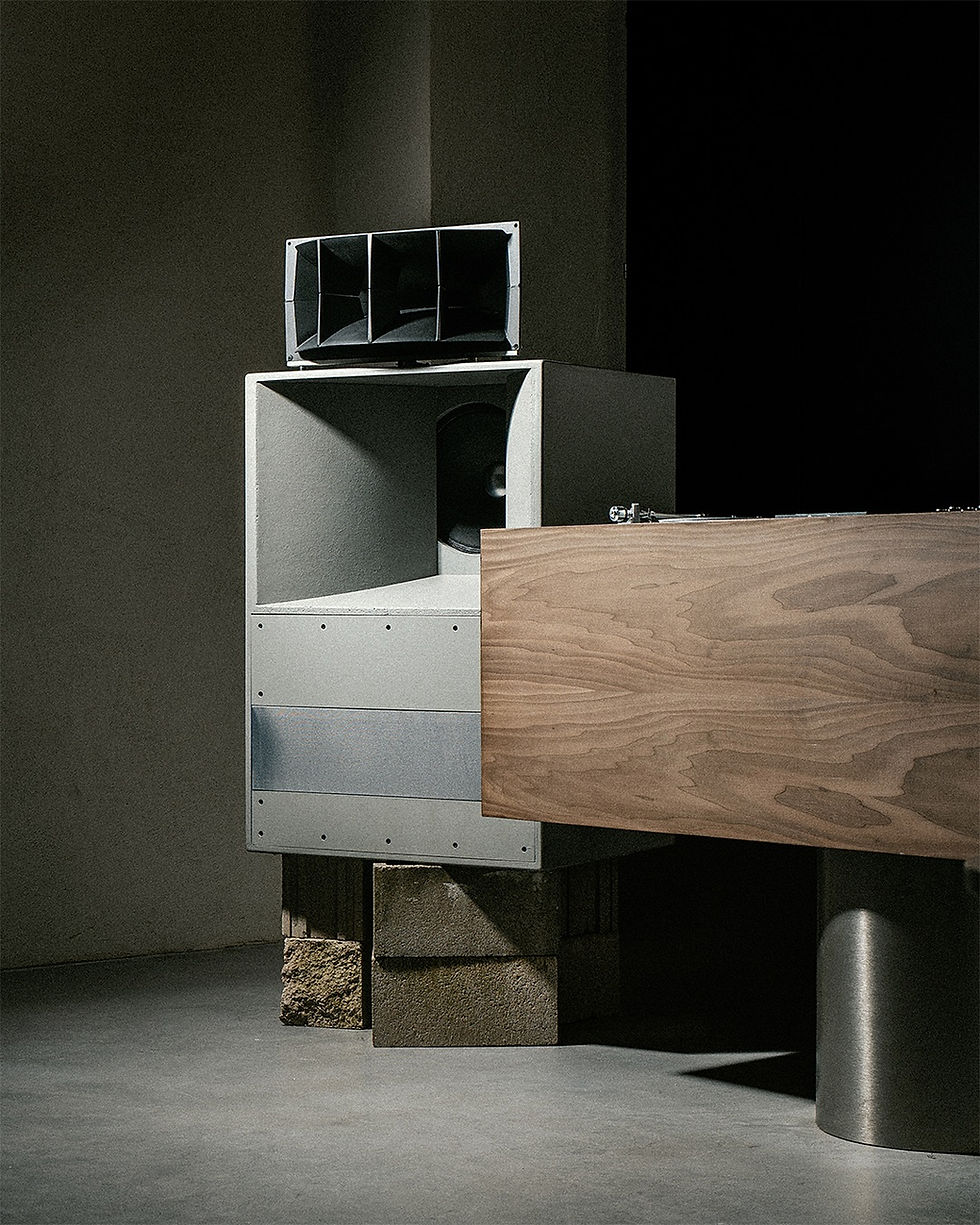
A listening bar plays good music, and is a space designed around sound as the central architecture of the room. The system is not an accessory to the experience, it is the experience. Music is selected with intention, the acoustics are considered, and the room is treated.
The volume is controlled rather than weaponized, and the audience is present. Unlike traditional nightlife spaces that prioritize peak moments, listening bars prioritize attention, and want you to feel comfortable. They reward nuance over high impact moments. Texture and atmosphere are the vibe.
WHY MILAN?

Milan has long existed at the intersection of design, fashion, and precision engineering. It is a city that understands refinement and values design in every facet. It values form as much as function.
That sensibility translates naturally into sound culture. The emergence of listening bars in Milan reflects a broader cultural fluency with aesthetics, detail, and intentionality. In a city known for fashion, tailoring and architecture, it makes sense that sound would also be tailored.
These spaces do not compete with festival scale clubs. They operate on an entirely different metric - they are not trying to be bigger, they are trying to be better, cozier, curated.
PRECISION TUNED SOUND

In commercial nightlife environments, loudness often substitutes for quality. The logic is simple: louder feels bigger, and bigger feels more impressive. But loudness is easy, and precision is expensive. Listening bars invert this priority. Instead of pushing decibels, they tune for clarity. Instead of chasing impact, they preserve dynamic range. The system is calibrated so that details emerge rather than collapse into compression.
You don’t feel attacked by bass, you can hold a conversation, and the difference is subtle, but once experienced, it is undeniable.
REAL HEADS KNOW

In traditional club marketing, the DJ’s name carries the night. In listening bars, the music carries the night, and your experience as a guest is very important. The focus shifts from celebrity to selection, branding to storytelling, peak time bangers to narrative evolutions.
A well curated vinyl set in a tuned room can feel more expansive than a festival mainstage. Not because it is louder or more dramatic, but because it breathes. When music has space, it gains dimension, and when an audience senses that intention, they listen differently.
LESS SHOW, MORE SOUL

One of the quiet revolutions happening inside Milan’s listening spaces is the restoration of 'If you were there, you were there'. Phones are often discouraged, or simply feel out of place. The lighting is low. The energy is internal rather than performative. Without the pressure of documentation, behavior changes. The room relaxes. People stop scanning for the drop and start absorbing the progression.
Being on a dancefloor used to mean disappearing into it. In the era of constant recording, it often means appearing within it. Listening bars subtly reject that shift. They return nightlife to something embodied rather than exported.
THE LUXURY OF CLOSENESS
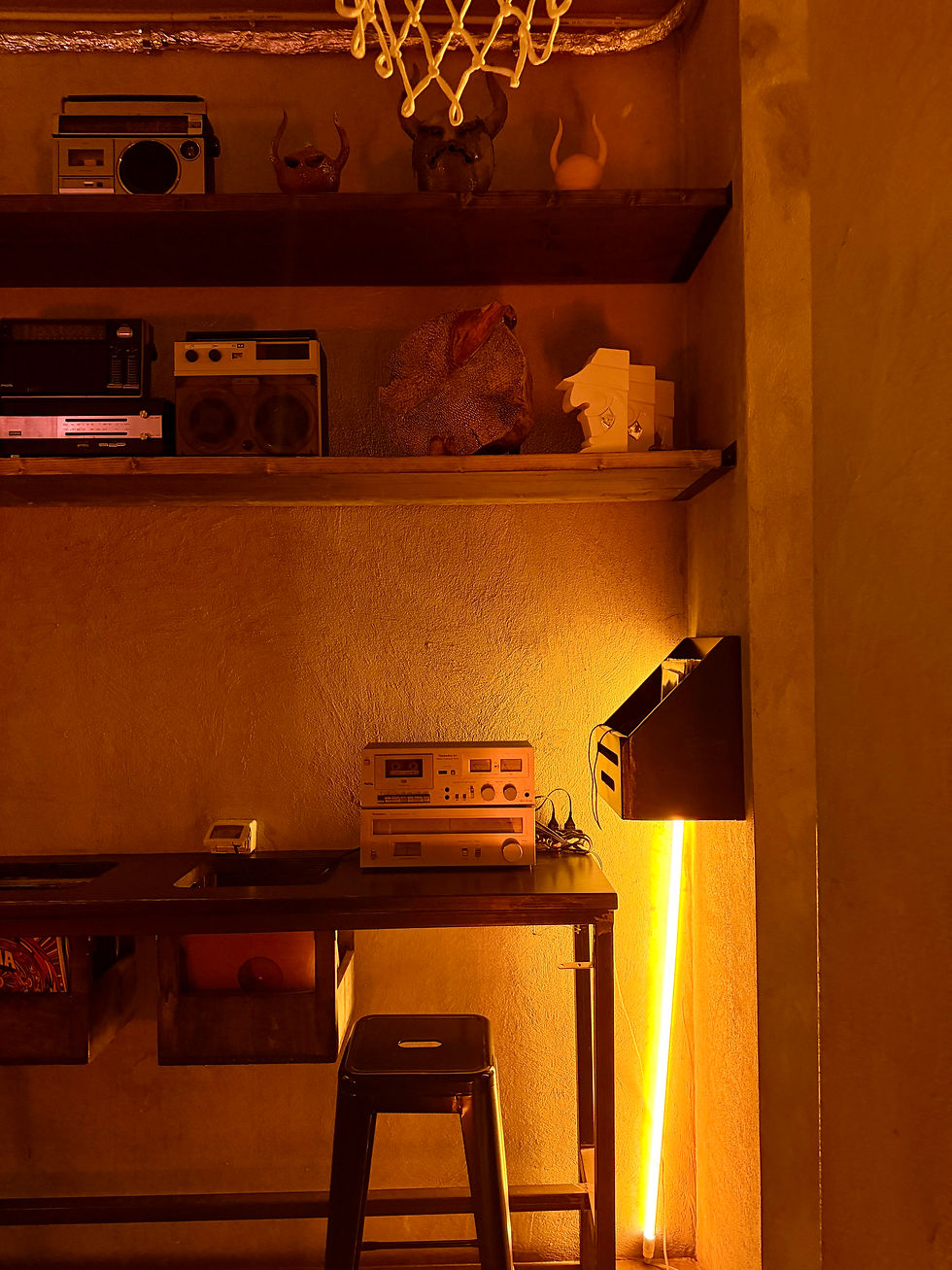
In the growth driven logic of modern nightlife, expansion is equated with success. Larger capacity, bigger bookings, and more production. But growth in size does not always equal growth in quality, listening culture proposes a different equation. Smaller can be more controlled, more controlled can be more immersive, more immersive can be more memorable.
A Different Metric for Success

If festival culture measures success in scale, listening culture measures success in attention.
Not how many people attended, but how deeply they engaged. Not how viral the clip was, but how present the room felt. Not how loud it sounded on video, but how it resonated in the body.
The algorithm measures attention in seconds. Listening culture measures it in stillness.
That distinction may define the next evolution of nightlife.
What Milan Suggests About the Future
Milan’s listening bar renaissance is a recalibration of club culture. It suggests that the future of nightlife may not lie in escalating spectacle, but in rediscovering audio tuning craftsmanship.
That the most progressive spaces may not be the largest, but the most intentional. That immersion might outperform stimulation in the long run.
Nightlife optimized for visibility - that was logical. It responded to economic and technological incentives, but culture does not remain static. When overstimulation becomes exhausting, attention becomes valuable again.
Inside a dimly lit room in Milan, where the system is tuned and no one is filming, that shift is already present.


